Article Summary: This article explores how a High Speed Diesel Genset delivers stable and efficient backup and prime power across industrial, commercial, and critical infrastructure applications. It explains working principles, key benefits, selection criteria, maintenance practices, and real-world use cases while addressing common customer challenges such as fuel efficiency, load stability, and operational reliability.
Article Outline
This article is structured to provide a complete technical and practical understanding of High Speed Diesel Gensets, including performance characteristics, selection strategies, and maintenance considerations for long-term reliability.
Introduction
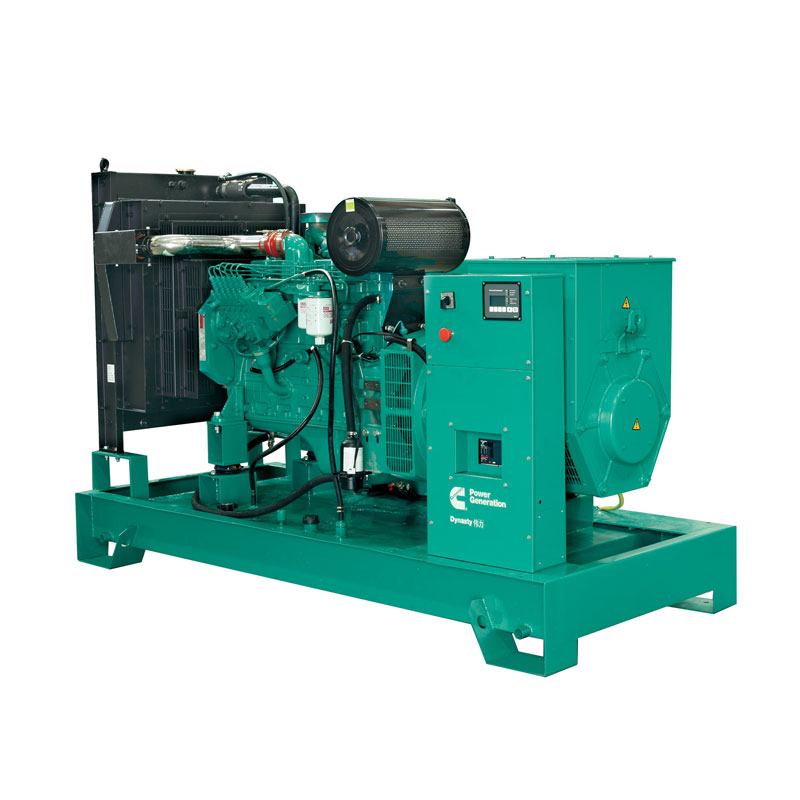
In modern industrial and commercial environments, uninterrupted power supply is not a luxury but a necessity. A High Speed Diesel Genset plays a critical role in ensuring continuous electricity when grid power becomes unstable or unavailable. These systems are engineered for rapid response, high efficiency, and consistent output under varying load conditions.
Manufacturers such as Megawatt focus on integrating advanced diesel engine technology with precision alternators and intelligent control systems to meet global power demands across multiple sectors.
Common Power Supply Challenges
Industries that rely heavily on continuous operations face multiple challenges when dealing with unstable power infrastructure:
-
Unexpected grid failures causing production downtime
-
Voltage fluctuations damaging sensitive equipment
-
High operational costs due to inefficient backup systems
-
Lack of scalability in older generator systems
These issues make High Speed Diesel Gensets an essential solution for businesses requiring dependable and scalable power systems.
Working Principle of High Speed Diesel Genset
A High Speed Diesel Genset operates by converting chemical energy from diesel fuel into mechanical energy through an internal combustion engine. This mechanical energy is then converted into electrical energy via an alternator.
The process involves:
-
Air Intake: Clean air is drawn into the combustion chamber
-
Compression: Air is compressed to increase temperature
-
Fuel Injection: Diesel is injected and ignites due to heat
-
Power Generation: Combustion drives the piston and rotates the alternator
This high-speed operation ensures rapid power delivery and consistent voltage output.
Key Advantages
-
Rapid Startup: Provides near-instant power during outages
-
Fuel Efficiency: Optimized combustion reduces fuel consumption
-
High Load Capacity: Handles industrial-scale energy demands
-
Durability: Built for continuous heavy-duty operation
-
Scalability: Suitable for parallel operation systems
Industrial Applications
High Speed Diesel Gensets are widely used across industries where power reliability is critical:
-
Manufacturing plants and assembly lines
-
Data centers and IT infrastructure
-
Hospitals and emergency facilities
-
Construction and mining operations
-
Commercial complexes and shopping malls
How to Choose the Right Genset
Selecting the appropriate generator requires careful evaluation of several technical and operational factors:
|
Factor
|
Description
|
|
Power Output
|
Determine total load requirements including peak demand
|
|
Fuel Efficiency
|
Evaluate consumption rate under different load conditions
|
|
Noise Level
|
Important for urban and commercial installations
|
|
Maintenance Cost
|
Consider long-term service and spare part availability
|
|
Automation Features
|
ATS and remote monitoring improve usability
|
Megawatt provides customized configurations to ensure optimal performance across different industrial environments.
Maintenance Guidelines
Proper maintenance is essential to extend the lifespan and reliability of a High Speed Diesel Genset:
-
Regular oil and filter changes
-
Cooling system inspection
-
Battery health monitoring
-
Fuel system cleaning
-
Load testing at scheduled intervals
Preventive maintenance reduces unexpected downtime and improves operational efficiency.
Comparison Table: High Speed vs Low Speed Diesel Genset
|
Feature
|
High Speed Diesel Genset
|
Low Speed Diesel Genset
|
|
Engine Speed
|
Higher RPM
|
Lower RPM
|
|
Response Time
|
Fast
|
Slower
|
|
Maintenance Frequency
|
Moderate
|
Lower
|
|
Fuel Efficiency
|
Optimized for variable loads
|
Efficient at constant loads
|
|
Application
|
Commercial & Industrial
|
Heavy continuous industrial use
|
Frequently Asked Questions
Q1: What is a High Speed Diesel Genset used for?
It is used to provide backup or primary power in industries, commercial buildings, and critical infrastructure systems.
Q2: How long can it run continuously?
Depending on fuel capacity and maintenance, it can operate continuously for extended periods under proper load management.
Q3: Is it suitable for sensitive equipment?
Yes, modern gensets provide stable voltage output suitable for sensitive electronic systems.
Q4: How often should maintenance be done?
Routine maintenance is recommended every 250–500 operating hours depending on usage intensity.
Q5: Where can I get reliable solutions?
Manufacturers like Megawatt provide engineered solutions tailored to industrial requirements.
Conclusion
A High Speed Diesel Genset remains one of the most reliable solutions for ensuring uninterrupted power in demanding environments. Its combination of fast response, fuel efficiency, and adaptability makes it suitable for a wide range of applications.
With advanced engineering and customized configurations offered by Megawatt, businesses can significantly improve operational stability and reduce downtime risks.
For tailored power solutions and expert consultation, contact us today at Megawatt and explore how our High Speed Diesel Genset systems can support your energy needs.