


How Marine Gas Engine Enhances Efficiency and Reliability in Modern Vessels
Abstract
Marine propulsion systems are at the core of vessel performance, cost control, and operational safety. A Marine Gas Engine has emerged as a highly efficient, cleaner, and cost-effective solution compared to traditional diesel systems. This article explores how marine gas engines function, the challenges they address, and how businesses can leverage them for improved fuel efficiency, reduced emissions, and long-term reliability. Whether you are a fleet operator, shipbuilder, or procurement manager, this guide provides practical insights to support informed decision-making.
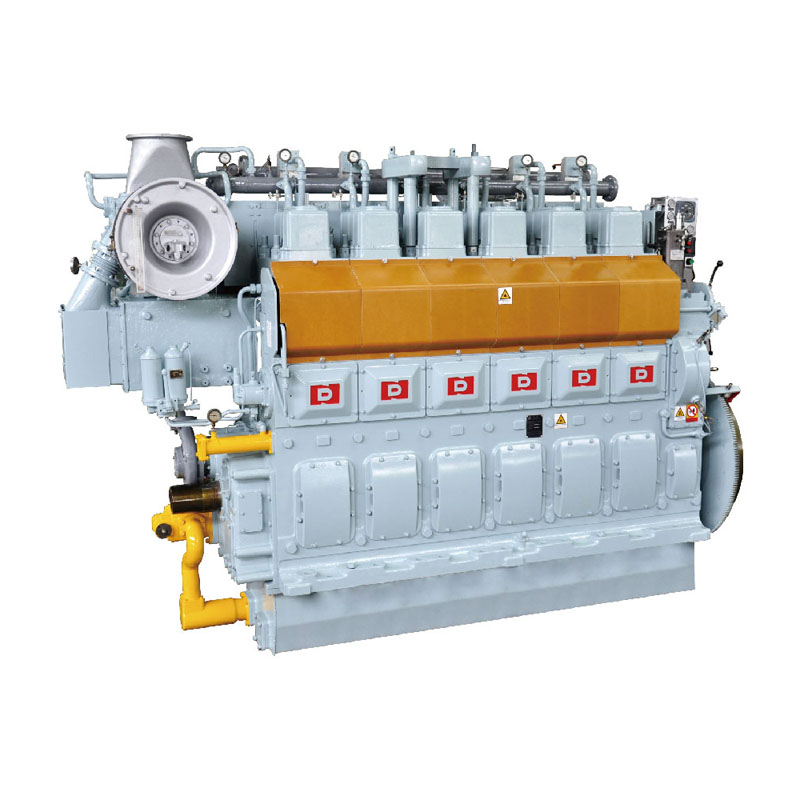
Table of Contents
- 1. Overview of Marine Gas Engines
- 2. How Marine Gas Engines Work
- 3. Common Customer Pain Points
- 4. How Marine Gas Engines Solve These Challenges
- 5. Gas vs Diesel: Key Comparison
- 6. How to Choose the Right Marine Gas Engine
- 7. Maintenance and Lifecycle Considerations
- 8. FAQ
1. Overview of Marine Gas Engines
A marine gas engine is an internal combustion engine specifically designed to operate on gaseous fuels such as natural gas, LNG (liquefied natural gas), or biogas. These engines are widely used in commercial vessels, ferries, fishing boats, and auxiliary power systems.
Compared to conventional diesel engines, marine gas engines provide:
- Lower emissions (NOx, SOx, and CO₂)
- Reduced fuel costs in regions with gas availability
- Quieter operation
- Improved environmental compliance
2. How Marine Gas Engines Work
Marine gas engines operate based on the principle of spark ignition or dual-fuel combustion. Instead of relying solely on compression ignition like diesel engines, gas engines mix fuel gas with air and ignite it using a spark plug or pilot fuel injection.
- Fuel Intake: Gas is mixed with air in a controlled ratio.
- Compression: The mixture is compressed inside the cylinder.
- Ignition: Spark plug or pilot fuel triggers combustion.
- Power Stroke: Expanding gases drive the piston.
- Exhaust: Burnt gases are expelled efficiently.
This process ensures smoother combustion and significantly reduces harmful emissions compared to traditional fuel systems.
3. Common Customer Pain Points
Operators in the marine industry often face several operational and financial challenges:
- High Fuel Costs: Diesel prices fluctuate and increase operational expenses.
- Strict Environmental Regulations: Compliance with IMO standards can be costly.
- Maintenance Complexity: Frequent servicing and component wear.
- Noise and Vibration: Impacts crew comfort and vessel performance.
- Limited Fuel Flexibility: Dependency on a single fuel type.
4. How Marine Gas Engines Solve These Challenges
Marine gas engines directly address these issues through advanced engineering and fuel adaptability:
| Challenge | Solution Provided by Marine Gas Engine |
|---|---|
| High fuel costs | Uses cost-effective natural gas or LNG |
| Emission regulations | Significantly lower NOx, SOx, and CO₂ emissions |
| Maintenance issues | Cleaner combustion reduces wear and deposits |
| Noise pollution | Smoother and quieter operation |
| Fuel inflexibility | Dual-fuel options enable operational flexibility |
Manufacturers such as Ningbo Megawatt Machinery Co., Ltd. have been focusing on delivering robust and efficient marine gas engine solutions tailored to industrial and commercial applications.
5. Gas vs Diesel: Key Comparison
| Feature | Marine Gas Engine | Diesel Engine |
|---|---|---|
| Fuel Type | Natural Gas / LNG | Diesel |
| Emissions | Low | High |
| Operating Cost | Lower (depending on gas availability) | Higher |
| Maintenance | Reduced carbon buildup | More frequent cleaning required |
| Noise Level | Low | Higher |
6. How to Choose the Right Marine Gas Engine
Selecting the right engine involves evaluating several technical and operational factors:
- Power Requirements: Match engine output to vessel size and purpose.
- Fuel Availability: Ensure consistent LNG or gas supply in operating regions.
- Engine Configuration: Single-fuel vs dual-fuel systems.
- Compliance Standards: Verify adherence to international emission regulations.
- Supplier Reliability: Choose experienced manufacturers like Ningbo Megawatt Machinery Co., Ltd.
7. Maintenance and Lifecycle Considerations
While marine gas engines are generally easier to maintain, proper servicing is essential for long-term efficiency:
- Regular inspection of ignition systems
- Monitoring fuel quality and pressure
- Scheduled lubrication and cooling system checks
- Periodic performance diagnostics
A well-maintained engine can significantly extend service life and reduce downtime, leading to better return on investment.
8. FAQ
Q1: Are marine gas engines safe to operate?
Yes. Modern systems include advanced safety features such as gas detection, automatic shutdown, and pressure control mechanisms.
Q2: Can existing vessels be retrofitted with gas engines?
Many vessels can be converted to dual-fuel systems, though feasibility depends on design and available space.
Q3: Is LNG widely available for marine use?
Availability is increasing globally, especially in major shipping routes and ports.
Q4: What industries benefit most from marine gas engines?
Commercial shipping, fishing fleets, ferries, and offshore platforms benefit significantly from reduced costs and emissions.
Conclusion
Marine gas engines represent a forward-looking solution for the maritime industry, offering a balance of efficiency, sustainability, and operational cost savings. As environmental regulations tighten and fuel economics evolve, adopting advanced propulsion technologies is no longer optional—it is strategic.
If you are seeking reliable, high-performance marine gas engine solutions tailored to your operational needs, Ningbo Megawatt Machinery Co., Ltd. offers proven expertise and innovative engineering. Contact us today to explore how we can support your next marine project with efficient and dependable power solutions.
Send Inquiry



X
We use cookies to offer you a better browsing experience, analyze site traffic and personalize content. By using this site, you agree to our use of cookies.
Privacy Policy